American Legion Shaw-May Post 38, Roanoke Rapids, N.C., Inc., Department of North Carolina
Shaw-May American Legion Post 38, Roanoke Rapids, NC
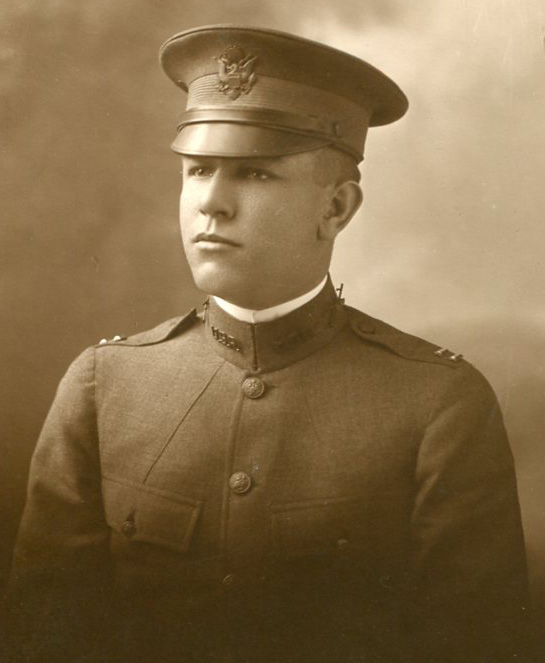
William Thomas Shaw Captain US Army 53rd Infantry 6th Division World War 1 NC State’s first fatality of the Great War. William Thomas Shaw, Jr., Weldon, North Carolina, a captain who was killed in action on July 14, 1918.
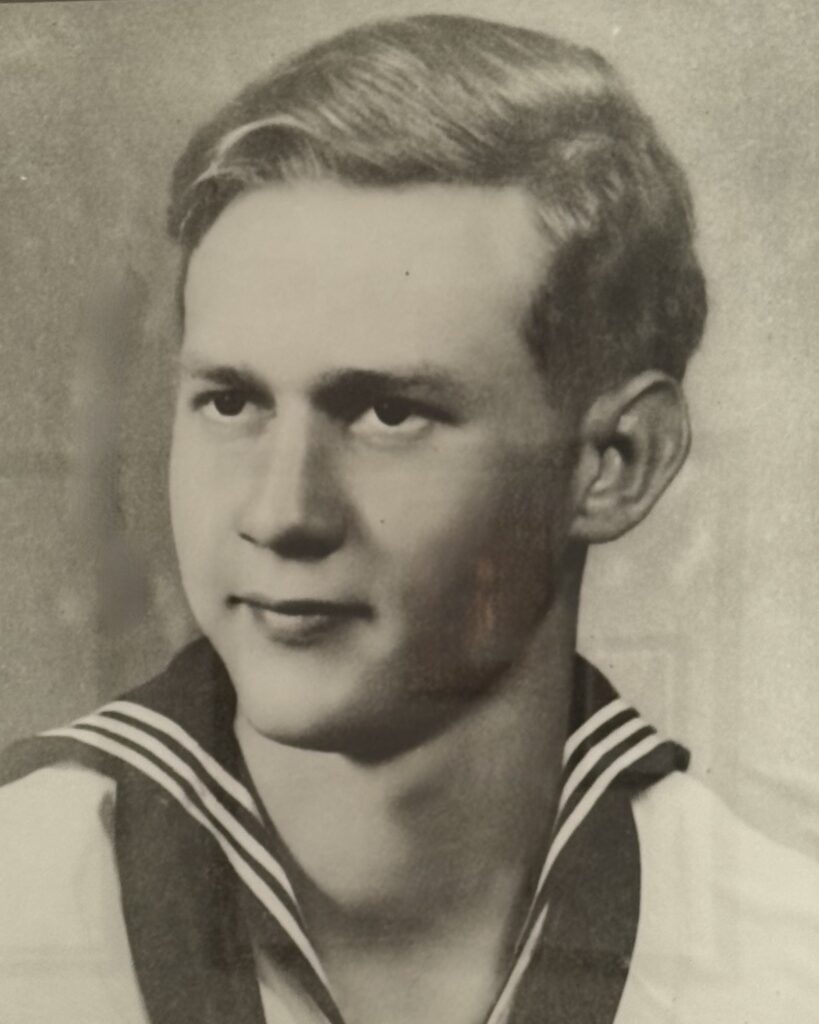
Robert E. May Chief Petty Officer US Navy
Service & Loss: Robert E. May (Coxswain, During World War II, a US Navy/Coast Guard coxswain was responsible for steering and commanding small landing craft, most notably the LCVP (“Higgins boat”), transporting troops and equipment from ship to shore. These sailors were vital to amphibious invasions, operating under enemy fire to breach beaches in both European (D-Day) and Pacific theaters. USN) is listed by the Defense POW/MIA Accounting Agency (DPAA) as a World War II casualty from North Carolina.
Incident: He served aboard the USS Atik (AK-101), a “Q-ship” (a disguised merchant vessel designed to lure U-boats). He was killed on March 27, 1942, when his ship was torpedoed and sunk by the German submarine U-123 in the Atlantic Ocean with the loss of all hands. The USS Atik was a “Q-ship,” a merchant vessel (formerly named the Carolyn) heavily but secretly armed with concealed guns and depth charges. Its mission was to act as bait for German U-boats, luring them to the surface before revealing its weaponry.
The Engagement: On March 26–27, 1942, about 300 miles east of Norfolk, Virginia, the Atik was targeted by the German submarine U-123.
The Battle: After being hit by a torpedo, the Atik’s crew staged a “panic party,” pretending to abandon ship to lure the U-boat closer. When U-123 surfaced, the Atik opened fire, mortally wounding one German sailor.
The Final Blow: U-123 retreated and fired a second “coup de grâce” torpedo into the Atik’s machinery spaces. A cataclysmic explosion followed at 05:50 hours on March 27, which blew the ship to pieces.
Loss of Crew: All 141 U.S. sailors aboard, including Robert E. May, were lost. It is believed those who survived the initial blast perished in a severe gale that hit the area shortly after.
CommemorationFor years, the specific details of the Atik’s mission and loss remained a national secret. Because his body was never recovered, Robert E. May is memorialized on the Tablets of the Missing at the East Coast Memorial in Battery Park, New York
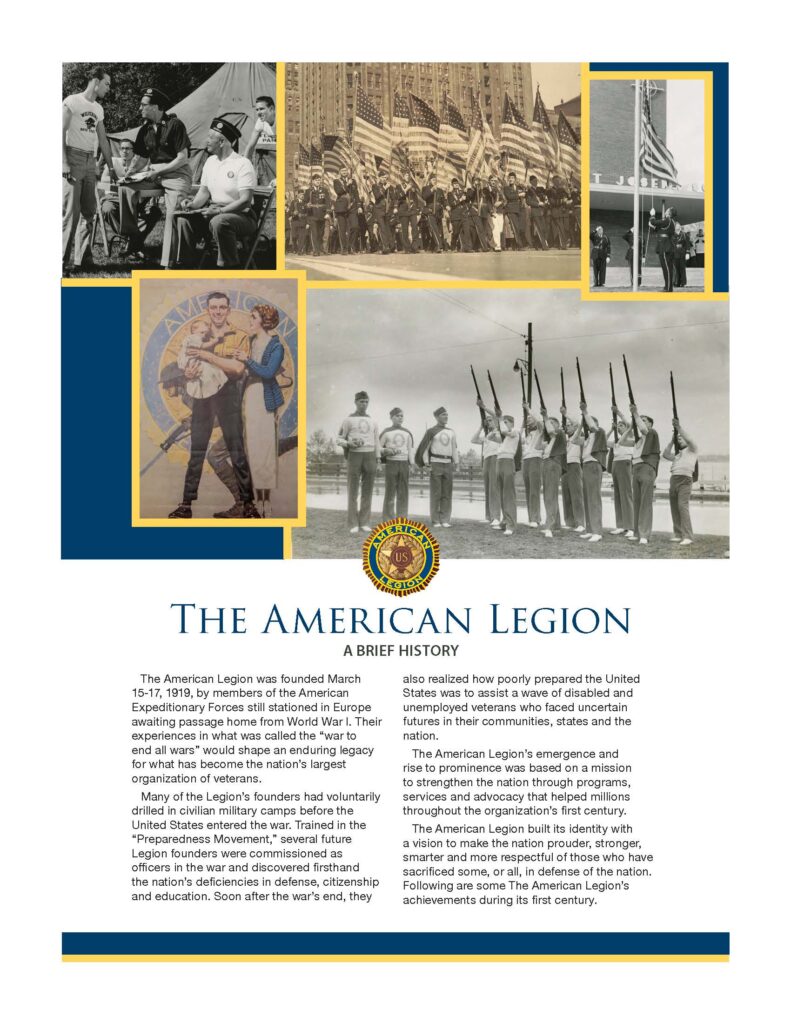
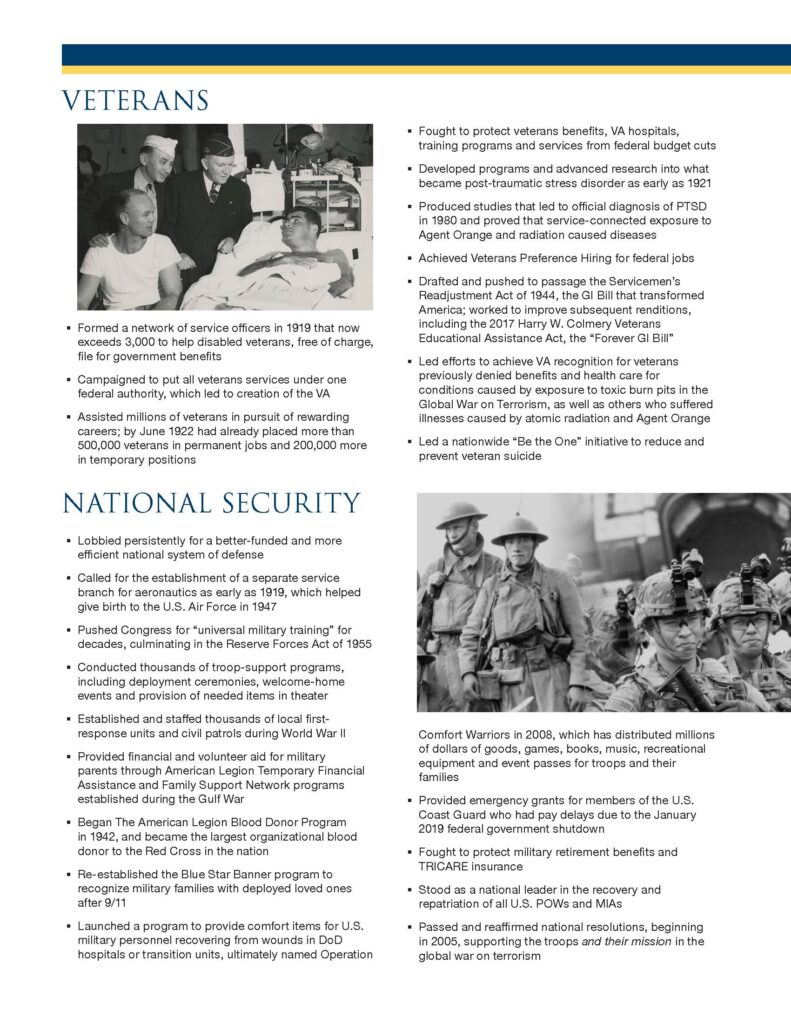
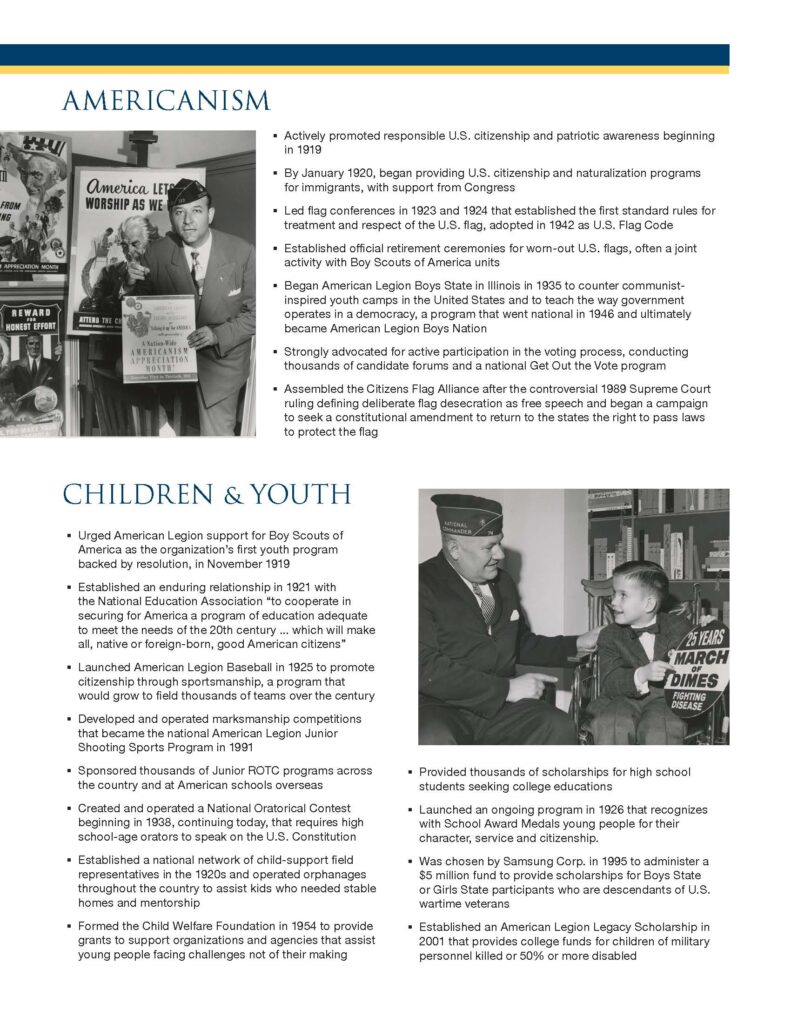
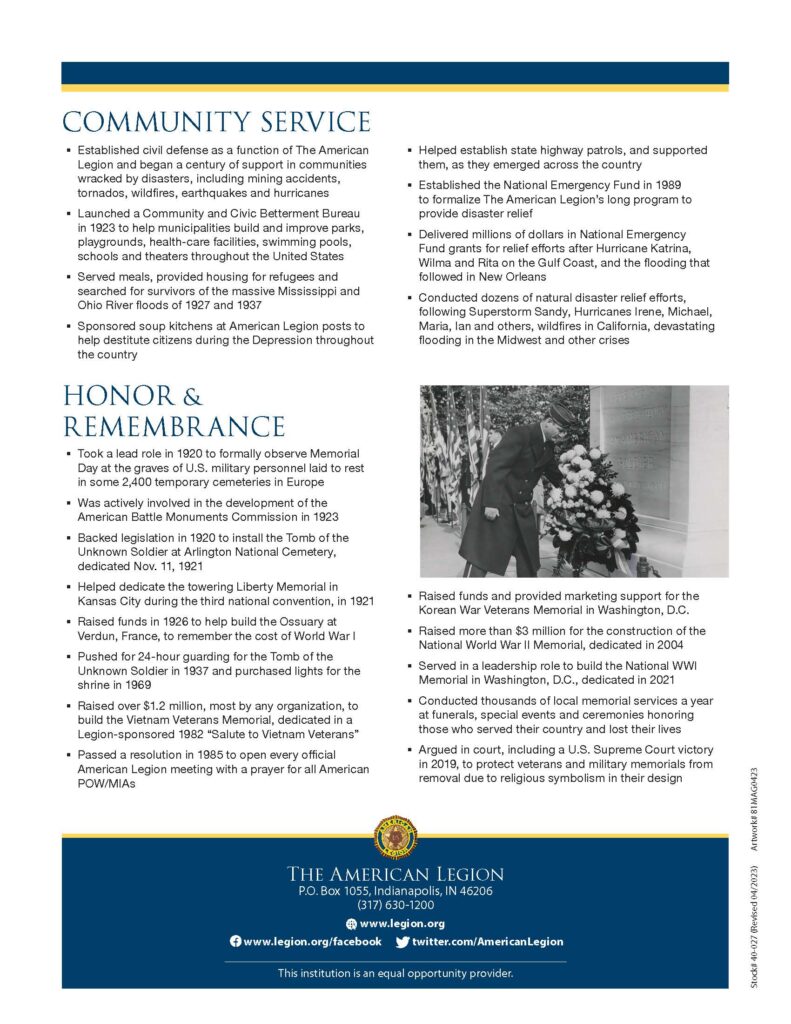
The American Legion maintains an important presence in North Carolina, a state that is home to several large military bases and thousands of active and retired veterans. The U.S. Congress officially granted a national charter for the American Legion on 16 Sept. 1919, although the organization had already begun operations before that time. The first national convention was held in Minneapolis, Minn., later that year. Since then, the American Legion has pushed for increased and improved care for disabled and sick veterans and was a major force in the establishment of government-funded hospitals to care for veterans.
The legion also played a role in the creation of the Veterans Administration in 1930, and the Department of Veterans Affairs in 1989, and in the passing of the original GI Bill of Rights for veterans of World War II and subsequent wars.
North Carolina’s first American Legion Post was established in Raleigh on 20 July 1919 and was designated Raleigh Post, No.1. Thereafter, there was a proliferation of posts in North Carolina.
The first North Carolina American Legion state convention was held in Raleigh on 20 Oct. 1919. The first women’s auxiliary post was chartered in Winston-Salem in 1920, and others quickly followed.
Henry L. Stevens Jr [4]., from Post 109 in Warsaw NC, served as the American Legion national commander in 1931-32.
A fiftieth-anniversary convention for the North Carolina American Legion was held in Winston-Salem in June 1969, with Governor Robert W. Scott as one of the principal speakers. That year approximately 25,000 of the 40,000 members in North Carolina attended the convention. An evening banquet and dance was held at the Robert E. Lee Hotel in Winston-Salem.
The American Legion in North Carolina is currently divided into five divisions, with each of these subdivided into five districts. By the early 2000s there were approximately 40,000 legionnaires in 200 posts across North Carolina.
Ray G. Smith from Post 109 in Benson NC, was elected national commander for the years 2000-01.
Many prominent North Carolinians, such as Governor R. Gregg Cherry, Governor Luther H. Hodges, Senator Samuel J. Ervin Jr., State Treasurer Edwin M. Gill, U.S. Representative Lawrence H. Fountain and others, have been proud members of the American Legion. Additional History of North Carolina’s American Legion1 can be found in the N.C. Government & Heritage Library.
In 1918, an organization in the town of Weldon, NC was formed for men who had served in the Armed Forces. An old Virginia Electric Power Company (VEPCO) Plant building was procured as a meeting place by this group of men. This small group of men applied for a charter in The American Legion on October 20, 1920 with the following charter members: Elliot Clark, D.W. Seifert, C.C. Telghan, James Josephson, James Price, W.B. Grant, C.F. Rhem, W.G. Suiter, N. Smith, H.G. Rowe Jr., Mike Josephson, S.J. Fitzhugh, W.B. Josephson, and Gees Pappas. A temporary charter was issued on October 24, 1919 with the permanent charter later issued on July 25, 1922. The new Post was called The American Legion Shaw Post 38. This Post was named after Captain William Shaw who was the first soldier to die in World War 1 from Halifax County, N.C.
In 1945, a group of men from Weldon, NC applied for a Charter to form a new Post in The American Legion on June 15, 1945. This new Post was called The American Legion Eugene Basil Glover Post 298. The officers of the new Post were: Commander M.C. Newcom, Adjutant John Forest, and Finance Officer James Rogers.
Shaw Post 298 (Historical – Weldon, NC)
Historically, a “Shaw Post” existed in Weldon, NC, and was sometimes referred to as Post 298 in older records.
The Eugene Basil Glover Post in Weldon (Shaw) and the May Post in Roanoke Rapids were merged into a single Post and called Shaw-May Post around 1960. The Post initially moved into a building on Washington Avenue in South Weldon. Around 1974, the American Legion Shaw-May Post 38 moved to their new location on the American Legion Road in Halifax County. Their new Post was named after William Thomas Shaw, Captain US Army, First Casualty From The Local Area during World War 1 July 1918 and Robert Elias May, Chief Petty Officer Coxswain Mate First Class, who was the First World War 2 casualty from Roanoke Rapids.